Inside
Story


by Indiana Farm Bureau Insurance


teenage girl bucking seat belt
flowrist picking flower from garden
men grilling food and smiling
indiana farm bureau insurance agent with desk
Jan 27, 2026

Strategies farmers can use to reduce insurance costs in Indiana

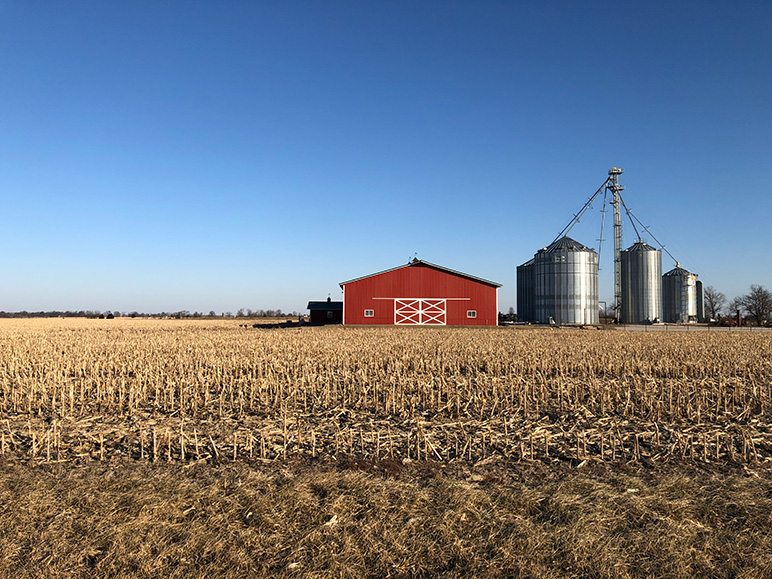
Indiana farm with a barn and grain bins.

For many farm families in Indiana, the farm represents both legacy and livelihood. Protecting valuable assets through insurance is essential, but high input costs and low commodity prices are adding strain to already tight farm budgets.  


As Indiana Farm Bureau Insurance’s farm training specialist, I'm often in conversation with farmers about the state of the farm economy. In those situations, I do my best to help farmers understand how farm insurance rates work and give them strategies that can help reduce premiums.  


Understand how farm insurance rates are determined 


Each farm is different and so is each farm policy. That said, there are several key factors that may impact premium costs. A few of those factors include: 

  • Claims history: This includes both the frequency and dollar amount of previous claims. 

  • Property condition: This includes the dwelling (physical structure of the house), farm structures and properties. 

  • Coverage type: Replacement cost versus actual cash value policy decisions affect rates.  

  • Deductible amounts: Higher deductibles typically lower premiums. 


Realize you may be better off bundling 


Some farmers spread their insurance needs across multiple carriers, and that may result in them paying more than necessary. Most insurance companies offer a variety of discounts for bundling policies. It’s worth contacting your agent and finding out if consolidating  your policies will help your bottom line.  


Beyond bundling, make sure you explore discounts offered by your insurance company and take advantage of them. Discounts might be available for folks who opt for paperless billing or for those who pay their premium annually instead of monthly. Taking advantage of some of these discounts can impact the final premium cost. It’s worth noting that Indiana Farm Bureau Insurance is the only insurance company that offers a discount for livestock producers who complete the  Indiana State Department of Agriculture’s Certified Livestock Producer Program.  


Don’t doubt the value of yearly reviews 
 

A farm policy is not something you can set and forget. Things change constantly, and you don’t want to find yourself over-insured or under-insured. Typical farm business actions like purchasing new equipment or additional acres and making structural improvements all impact insurance needs. Reviewing your policies each year with your agent will help you stay on top of all the changes you’ve made. These reviews might also help you identify new discount opportunities.  


Manage risks, manage costs 


One of the most effective ways to control insurance costs over time is to reduce the number of claims you’re filing. With active risk management practices, you may have better luck avoiding claim-worthy moments.  

  • Conduct regular building inspections to identify and address issues. 

  • When maintaining equipment, ensure all safety components are working properly. 

  • Implement safety training for family members and employees. 

  • Develop and document farm safety and disaster preparedness plans. 


Unlike most other insurance products, age and experience are typically not factors considered for farm insurance. So, reducing the number of claims is a strategy every farm should embrace.  


Take action  


If you have time before you head back into the field this spring, use it to review your insurance coverage. Regular conversations with your agent can help you pinpoint opportunities to save as planting season approaches.  


John Nagle is the farm training specialist at Indiana Farm Bureau Insurance, an insurance company headquartered in Indianapolis with offices in all 92 counties. Nagle is an experienced professional with 12 years' experience working directly with farmers. Coverages subject to policy terms, conditions, and exclusions. Subject to underwriting review and approval. 


About Indiana Farm Bureau Insurance:  


Indiana Farm Bureau Insurance has served Hoosiers for 90 years. Organized in 1934 by Indiana Farm Bureau, Inc., the company has grown to include insurance products for autolifehome, business and farm.   
   

Health plan benefits,banking and other financial services and products are also available through its local offices and online at www.infarmbureau.com. With a home office in downtown Indianapolis and local offices in all 92 counties, Indiana Farm Bureau Insurance serves Hoosiers with more than 450 agents and approximately 1,200 employees living and working throughout the state. The company is a leader in autoand homeowners insurance and the largest writer of  farm insurance in the state.  


Media Contacts:


For media inquiries, please contact one of team members for assistance.


Jan 27, 2026

Strategies farmers can use to reduce insurance costs in Indiana

Indiana farm with a barn and grain bins.

For many farm families in Indiana, the farm represents both legacy and livelihood. Protecting valuable assets through insurance is essential, but high input costs and low commodity prices are adding strain to already tight farm budgets.  


As Indiana Farm Bureau Insurance’s farm training specialist, I'm often in conversation with farmers about the state of the farm economy. In those situations, I do my best to help farmers understand how farm insurance rates work and give them strategies that can help reduce premiums.  


Understand how farm insurance rates are determined 


Each farm is different and so is each farm policy. That said, there are several key factors that may impact premium costs. A few of those factors include: 

  • Claims history: This includes both the frequency and dollar amount of previous claims. 

  • Property condition: This includes the dwelling (physical structure of the house), farm structures and properties. 

  • Coverage type: Replacement cost versus actual cash value policy decisions affect rates.  

  • Deductible amounts: Higher deductibles typically lower premiums. 


Realize you may be better off bundling 


Some farmers spread their insurance needs across multiple carriers, and that may result in them paying more than necessary. Most insurance companies offer a variety of discounts for bundling policies. It’s worth contacting your agent and finding out if consolidating  your policies will help your bottom line.  


Beyond bundling, make sure you explore discounts offered by your insurance company and take advantage of them. Discounts might be available for folks who opt for paperless billing or for those who pay their premium annually instead of monthly. Taking advantage of some of these discounts can impact the final premium cost. It’s worth noting that Indiana Farm Bureau Insurance is the only insurance company that offers a discount for livestock producers who complete the  Indiana State Department of Agriculture’s Certified Livestock Producer Program.  


Don’t doubt the value of yearly reviews 
 

A farm policy is not something you can set and forget. Things change constantly, and you don’t want to find yourself over-insured or under-insured. Typical farm business actions like purchasing new equipment or additional acres and making structural improvements all impact insurance needs. Reviewing your policies each year with your agent will help you stay on top of all the changes you’ve made. These reviews might also help you identify new discount opportunities.  


Manage risks, manage costs 


One of the most effective ways to control insurance costs over time is to reduce the number of claims you’re filing. With active risk management practices, you may have better luck avoiding claim-worthy moments.  

  • Conduct regular building inspections to identify and address issues. 

  • When maintaining equipment, ensure all safety components are working properly. 

  • Implement safety training for family members and employees. 

  • Develop and document farm safety and disaster preparedness plans. 


Unlike most other insurance products, age and experience are typically not factors considered for farm insurance. So, reducing the number of claims is a strategy every farm should embrace.  


Take action  


If you have time before you head back into the field this spring, use it to review your insurance coverage. Regular conversations with your agent can help you pinpoint opportunities to save as planting season approaches.  


John Nagle is the farm training specialist at Indiana Farm Bureau Insurance, an insurance company headquartered in Indianapolis with offices in all 92 counties. Nagle is an experienced professional with 12 years' experience working directly with farmers. Coverages subject to policy terms, conditions, and exclusions. Subject to underwriting review and approval. 


About Indiana Farm Bureau Insurance:  


Indiana Farm Bureau Insurance has served Hoosiers for 90 years. Organized in 1934 by Indiana Farm Bureau, Inc., the company has grown to include insurance products for autolifehome, business and farm.   
   

Health plan benefits,banking and other financial services and products are also available through its local offices and online at www.infarmbureau.com. With a home office in downtown Indianapolis and local offices in all 92 counties, Indiana Farm Bureau Insurance serves Hoosiers with more than 450 agents and approximately 1,200 employees living and working throughout the state. The company is a leader in autoand homeowners insurance and the largest writer of  farm insurance in the state.  


Media Contacts:


For media inquiries, please contact one of team members for assistance.


Jan 27, 2026

Strategies farmers can use to reduce insurance costs in Indiana

Indiana farm with a barn and grain bins.

For many farm families in Indiana, the farm represents both legacy and livelihood. Protecting valuable assets through insurance is essential, but high input costs and low commodity prices are adding strain to already tight farm budgets.  


As Indiana Farm Bureau Insurance’s farm training specialist, I'm often in conversation with farmers about the state of the farm economy. In those situations, I do my best to help farmers understand how farm insurance rates work and give them strategies that can help reduce premiums.  


Understand how farm insurance rates are determined 


Each farm is different and so is each farm policy. That said, there are several key factors that may impact premium costs. A few of those factors include: 

  • Claims history: This includes both the frequency and dollar amount of previous claims. 

  • Property condition: This includes the dwelling (physical structure of the house), farm structures and properties. 

  • Coverage type: Replacement cost versus actual cash value policy decisions affect rates.  

  • Deductible amounts: Higher deductibles typically lower premiums. 


Realize you may be better off bundling 


Some farmers spread their insurance needs across multiple carriers, and that may result in them paying more than necessary. Most insurance companies offer a variety of discounts for bundling policies. It’s worth contacting your agent and finding out if consolidating  your policies will help your bottom line.  


Beyond bundling, make sure you explore discounts offered by your insurance company and take advantage of them. Discounts might be available for folks who opt for paperless billing or for those who pay their premium annually instead of monthly. Taking advantage of some of these discounts can impact the final premium cost. It’s worth noting that Indiana Farm Bureau Insurance is the only insurance company that offers a discount for livestock producers who complete the  Indiana State Department of Agriculture’s Certified Livestock Producer Program.  


Don’t doubt the value of yearly reviews 
 

A farm policy is not something you can set and forget. Things change constantly, and you don’t want to find yourself over-insured or under-insured. Typical farm business actions like purchasing new equipment or additional acres and making structural improvements all impact insurance needs. Reviewing your policies each year with your agent will help you stay on top of all the changes you’ve made. These reviews might also help you identify new discount opportunities.  


Manage risks, manage costs 


One of the most effective ways to control insurance costs over time is to reduce the number of claims you’re filing. With active risk management practices, you may have better luck avoiding claim-worthy moments.  

  • Conduct regular building inspections to identify and address issues. 

  • When maintaining equipment, ensure all safety components are working properly. 

  • Implement safety training for family members and employees. 

  • Develop and document farm safety and disaster preparedness plans. 


Unlike most other insurance products, age and experience are typically not factors considered for farm insurance. So, reducing the number of claims is a strategy every farm should embrace.  


Take action  


If you have time before you head back into the field this spring, use it to review your insurance coverage. Regular conversations with your agent can help you pinpoint opportunities to save as planting season approaches.  


John Nagle is the farm training specialist at Indiana Farm Bureau Insurance, an insurance company headquartered in Indianapolis with offices in all 92 counties. Nagle is an experienced professional with 12 years' experience working directly with farmers. Coverages subject to policy terms, conditions, and exclusions. Subject to underwriting review and approval. 


About Indiana Farm Bureau Insurance:  


Indiana Farm Bureau Insurance has served Hoosiers for 90 years. Organized in 1934 by Indiana Farm Bureau, Inc., the company has grown to include insurance products for autolifehome, business and farm.   
   

Health plan benefits,banking and other financial services and products are also available through its local offices and online at www.infarmbureau.com. With a home office in downtown Indianapolis and local offices in all 92 counties, Indiana Farm Bureau Insurance serves Hoosiers with more than 450 agents and approximately 1,200 employees living and working throughout the state. The company is a leader in autoand homeowners insurance and the largest writer of  farm insurance in the state.  


Media Contacts:


For media inquiries, please contact one of team members for assistance.


Jan 27, 2026

Strategies farmers can use to reduce insurance costs in Indiana

Indiana farm with a barn and grain bins.

For many farm families in Indiana, the farm represents both legacy and livelihood. Protecting valuable assets through insurance is essential, but high input costs and low commodity prices are adding strain to already tight farm budgets.  


As Indiana Farm Bureau Insurance’s farm training specialist, I'm often in conversation with farmers about the state of the farm economy. In those situations, I do my best to help farmers understand how farm insurance rates work and give them strategies that can help reduce premiums.  


Understand how farm insurance rates are determined 


Each farm is different and so is each farm policy. That said, there are several key factors that may impact premium costs. A few of those factors include: 

  • Claims history: This includes both the frequency and dollar amount of previous claims. 

  • Property condition: This includes the dwelling (physical structure of the house), farm structures and properties. 

  • Coverage type: Replacement cost versus actual cash value policy decisions affect rates.  

  • Deductible amounts: Higher deductibles typically lower premiums. 


Realize you may be better off bundling 


Some farmers spread their insurance needs across multiple carriers, and that may result in them paying more than necessary. Most insurance companies offer a variety of discounts for bundling policies. It’s worth contacting your agent and finding out if consolidating  your policies will help your bottom line.  


Beyond bundling, make sure you explore discounts offered by your insurance company and take advantage of them. Discounts might be available for folks who opt for paperless billing or for those who pay their premium annually instead of monthly. Taking advantage of some of these discounts can impact the final premium cost. It’s worth noting that Indiana Farm Bureau Insurance is the only insurance company that offers a discount for livestock producers who complete the  Indiana State Department of Agriculture’s Certified Livestock Producer Program.  


Don’t doubt the value of yearly reviews 
 

A farm policy is not something you can set and forget. Things change constantly, and you don’t want to find yourself over-insured or under-insured. Typical farm business actions like purchasing new equipment or additional acres and making structural improvements all impact insurance needs. Reviewing your policies each year with your agent will help you stay on top of all the changes you’ve made. These reviews might also help you identify new discount opportunities.  


Manage risks, manage costs 


One of the most effective ways to control insurance costs over time is to reduce the number of claims you’re filing. With active risk management practices, you may have better luck avoiding claim-worthy moments.  

  • Conduct regular building inspections to identify and address issues. 

  • When maintaining equipment, ensure all safety components are working properly. 

  • Implement safety training for family members and employees. 

  • Develop and document farm safety and disaster preparedness plans. 


Unlike most other insurance products, age and experience are typically not factors considered for farm insurance. So, reducing the number of claims is a strategy every farm should embrace.  


Take action  


If you have time before you head back into the field this spring, use it to review your insurance coverage. Regular conversations with your agent can help you pinpoint opportunities to save as planting season approaches.  


John Nagle is the farm training specialist at Indiana Farm Bureau Insurance, an insurance company headquartered in Indianapolis with offices in all 92 counties. Nagle is an experienced professional with 12 years' experience working directly with farmers. Coverages subject to policy terms, conditions, and exclusions. Subject to underwriting review and approval. 


About Indiana Farm Bureau Insurance:  


Indiana Farm Bureau Insurance has served Hoosiers for 90 years. Organized in 1934 by Indiana Farm Bureau, Inc., the company has grown to include insurance products for autolifehome, business and farm.   
   

Health plan benefits,banking and other financial services and products are also available through its local offices and online at www.infarmbureau.com. With a home office in downtown Indianapolis and local offices in all 92 counties, Indiana Farm Bureau Insurance serves Hoosiers with more than 450 agents and approximately 1,200 employees living and working throughout the state. The company is a leader in autoand homeowners insurance and the largest writer of  farm insurance in the state.  


Media Contacts:


For media inquiries, please contact one of team members for assistance.


Jan 27, 2026

Strategies farmers can use to reduce insurance costs in Indiana

Indiana farm with a barn and grain bins.

For many farm families in Indiana, the farm represents both legacy and livelihood. Protecting valuable assets through insurance is essential, but high input costs and low commodity prices are adding strain to already tight farm budgets.  


As Indiana Farm Bureau Insurance’s farm training specialist, I'm often in conversation with farmers about the state of the farm economy. In those situations, I do my best to help farmers understand how farm insurance rates work and give them strategies that can help reduce premiums.  


Understand how farm insurance rates are determined 


Each farm is different and so is each farm policy. That said, there are several key factors that may impact premium costs. A few of those factors include: 

  • Claims history: This includes both the frequency and dollar amount of previous claims. 

  • Property condition: This includes the dwelling (physical structure of the house), farm structures and properties. 

  • Coverage type: Replacement cost versus actual cash value policy decisions affect rates.  

  • Deductible amounts: Higher deductibles typically lower premiums. 


Realize you may be better off bundling 


Some farmers spread their insurance needs across multiple carriers, and that may result in them paying more than necessary. Most insurance companies offer a variety of discounts for bundling policies. It’s worth contacting your agent and finding out if consolidating  your policies will help your bottom line.  


Beyond bundling, make sure you explore discounts offered by your insurance company and take advantage of them. Discounts might be available for folks who opt for paperless billing or for those who pay their premium annually instead of monthly. Taking advantage of some of these discounts can impact the final premium cost. It’s worth noting that Indiana Farm Bureau Insurance is the only insurance company that offers a discount for livestock producers who complete the  Indiana State Department of Agriculture’s Certified Livestock Producer Program.  


Don’t doubt the value of yearly reviews 
 

A farm policy is not something you can set and forget. Things change constantly, and you don’t want to find yourself over-insured or under-insured. Typical farm business actions like purchasing new equipment or additional acres and making structural improvements all impact insurance needs. Reviewing your policies each year with your agent will help you stay on top of all the changes you’ve made. These reviews might also help you identify new discount opportunities.  


Manage risks, manage costs 


One of the most effective ways to control insurance costs over time is to reduce the number of claims you’re filing. With active risk management practices, you may have better luck avoiding claim-worthy moments.  

  • Conduct regular building inspections to identify and address issues. 

  • When maintaining equipment, ensure all safety components are working properly. 

  • Implement safety training for family members and employees. 

  • Develop and document farm safety and disaster preparedness plans. 


Unlike most other insurance products, age and experience are typically not factors considered for farm insurance. So, reducing the number of claims is a strategy every farm should embrace.  


Take action  


If you have time before you head back into the field this spring, use it to review your insurance coverage. Regular conversations with your agent can help you pinpoint opportunities to save as planting season approaches.  


John Nagle is the farm training specialist at Indiana Farm Bureau Insurance, an insurance company headquartered in Indianapolis with offices in all 92 counties. Nagle is an experienced professional with 12 years' experience working directly with farmers. Coverages subject to policy terms, conditions, and exclusions. Subject to underwriting review and approval. 


About Indiana Farm Bureau Insurance:  


Indiana Farm Bureau Insurance has served Hoosiers for 90 years. Organized in 1934 by Indiana Farm Bureau, Inc., the company has grown to include insurance products for autolifehome, business and farm.   
   

Health plan benefits,banking and other financial services and products are also available through its local offices and online at www.infarmbureau.com. With a home office in downtown Indianapolis and local offices in all 92 counties, Indiana Farm Bureau Insurance serves Hoosiers with more than 450 agents and approximately 1,200 employees living and working throughout the state. The company is a leader in autoand homeowners insurance and the largest writer of  farm insurance in the state.  


Media Contacts:


For media inquiries, please contact one of team members for assistance.


Jan 27, 2026

Strategies farmers can use to reduce insurance costs in Indiana

Indiana farm with a barn and grain bins.

For many farm families in Indiana, the farm represents both legacy and livelihood. Protecting valuable assets through insurance is essential, but high input costs and low commodity prices are adding strain to already tight farm budgets.  


As Indiana Farm Bureau Insurance’s farm training specialist, I'm often in conversation with farmers about the state of the farm economy. In those situations, I do my best to help farmers understand how farm insurance rates work and give them strategies that can help reduce premiums.  


Understand how farm insurance rates are determined 


Each farm is different and so is each farm policy. That said, there are several key factors that may impact premium costs. A few of those factors include: 

  • Claims history: This includes both the frequency and dollar amount of previous claims. 

  • Property condition: This includes the dwelling (physical structure of the house), farm structures and properties. 

  • Coverage type: Replacement cost versus actual cash value policy decisions affect rates.  

  • Deductible amounts: Higher deductibles typically lower premiums. 


Realize you may be better off bundling 


Some farmers spread their insurance needs across multiple carriers, and that may result in them paying more than necessary. Most insurance companies offer a variety of discounts for bundling policies. It’s worth contacting your agent and finding out if consolidating  your policies will help your bottom line.  


Beyond bundling, make sure you explore discounts offered by your insurance company and take advantage of them. Discounts might be available for folks who opt for paperless billing or for those who pay their premium annually instead of monthly. Taking advantage of some of these discounts can impact the final premium cost. It’s worth noting that Indiana Farm Bureau Insurance is the only insurance company that offers a discount for livestock producers who complete the  Indiana State Department of Agriculture’s Certified Livestock Producer Program.  


Don’t doubt the value of yearly reviews 
 

A farm policy is not something you can set and forget. Things change constantly, and you don’t want to find yourself over-insured or under-insured. Typical farm business actions like purchasing new equipment or additional acres and making structural improvements all impact insurance needs. Reviewing your policies each year with your agent will help you stay on top of all the changes you’ve made. These reviews might also help you identify new discount opportunities.  


Manage risks, manage costs 


One of the most effective ways to control insurance costs over time is to reduce the number of claims you’re filing. With active risk management practices, you may have better luck avoiding claim-worthy moments.  

  • Conduct regular building inspections to identify and address issues. 

  • When maintaining equipment, ensure all safety components are working properly. 

  • Implement safety training for family members and employees. 

  • Develop and document farm safety and disaster preparedness plans. 


Unlike most other insurance products, age and experience are typically not factors considered for farm insurance. So, reducing the number of claims is a strategy every farm should embrace.  


Take action  


If you have time before you head back into the field this spring, use it to review your insurance coverage. Regular conversations with your agent can help you pinpoint opportunities to save as planting season approaches.  


John Nagle is the farm training specialist at Indiana Farm Bureau Insurance, an insurance company headquartered in Indianapolis with offices in all 92 counties. Nagle is an experienced professional with 12 years' experience working directly with farmers. Coverages subject to policy terms, conditions, and exclusions. Subject to underwriting review and approval. 


About Indiana Farm Bureau Insurance:  


Indiana Farm Bureau Insurance has served Hoosiers for 90 years. Organized in 1934 by Indiana Farm Bureau, Inc., the company has grown to include insurance products for autolifehome, business and farm.   
   

Health plan benefits,banking and other financial services and products are also available through its local offices and online at www.infarmbureau.com. With a home office in downtown Indianapolis and local offices in all 92 counties, Indiana Farm Bureau Insurance serves Hoosiers with more than 450 agents and approximately 1,200 employees living and working throughout the state. The company is a leader in autoand homeowners insurance and the largest writer of  farm insurance in the state.  


Media Contacts:


For media inquiries, please contact one of team members for assistance.


Jan 27, 2026

Strategies farmers can use to reduce insurance costs in Indiana

Indiana farm with a barn and grain bins.

For many farm families in Indiana, the farm represents both legacy and livelihood. Protecting valuable assets through insurance is essential, but high input costs and low commodity prices are adding strain to already tight farm budgets.  


As Indiana Farm Bureau Insurance’s farm training specialist, I'm often in conversation with farmers about the state of the farm economy. In those situations, I do my best to help farmers understand how farm insurance rates work and give them strategies that can help reduce premiums.  


Understand how farm insurance rates are determined 


Each farm is different and so is each farm policy. That said, there are several key factors that may impact premium costs. A few of those factors include: 

  • Claims history: This includes both the frequency and dollar amount of previous claims. 

  • Property condition: This includes the dwelling (physical structure of the house), farm structures and properties. 

  • Coverage type: Replacement cost versus actual cash value policy decisions affect rates.  

  • Deductible amounts: Higher deductibles typically lower premiums. 


Realize you may be better off bundling 


Some farmers spread their insurance needs across multiple carriers, and that may result in them paying more than necessary. Most insurance companies offer a variety of discounts for bundling policies. It’s worth contacting your agent and finding out if consolidating  your policies will help your bottom line.  


Beyond bundling, make sure you explore discounts offered by your insurance company and take advantage of them. Discounts might be available for folks who opt for paperless billing or for those who pay their premium annually instead of monthly. Taking advantage of some of these discounts can impact the final premium cost. It’s worth noting that Indiana Farm Bureau Insurance is the only insurance company that offers a discount for livestock producers who complete the  Indiana State Department of Agriculture’s Certified Livestock Producer Program.  


Don’t doubt the value of yearly reviews 
 

A farm policy is not something you can set and forget. Things change constantly, and you don’t want to find yourself over-insured or under-insured. Typical farm business actions like purchasing new equipment or additional acres and making structural improvements all impact insurance needs. Reviewing your policies each year with your agent will help you stay on top of all the changes you’ve made. These reviews might also help you identify new discount opportunities.  


Manage risks, manage costs 


One of the most effective ways to control insurance costs over time is to reduce the number of claims you’re filing. With active risk management practices, you may have better luck avoiding claim-worthy moments.  

  • Conduct regular building inspections to identify and address issues. 

  • When maintaining equipment, ensure all safety components are working properly. 

  • Implement safety training for family members and employees. 

  • Develop and document farm safety and disaster preparedness plans. 


Unlike most other insurance products, age and experience are typically not factors considered for farm insurance. So, reducing the number of claims is a strategy every farm should embrace.  


Take action  


If you have time before you head back into the field this spring, use it to review your insurance coverage. Regular conversations with your agent can help you pinpoint opportunities to save as planting season approaches.  


John Nagle is the farm training specialist at Indiana Farm Bureau Insurance, an insurance company headquartered in Indianapolis with offices in all 92 counties. Nagle is an experienced professional with 12 years' experience working directly with farmers. Coverages subject to policy terms, conditions, and exclusions. Subject to underwriting review and approval. 


About Indiana Farm Bureau Insurance:  


Indiana Farm Bureau Insurance has served Hoosiers for 90 years. Organized in 1934 by Indiana Farm Bureau, Inc., the company has grown to include insurance products for autolifehome, business and farm.   
   

Health plan benefits,banking and other financial services and products are also available through its local offices and online at www.infarmbureau.com. With a home office in downtown Indianapolis and local offices in all 92 counties, Indiana Farm Bureau Insurance serves Hoosiers with more than 450 agents and approximately 1,200 employees living and working throughout the state. The company is a leader in autoand homeowners insurance and the largest writer of  farm insurance in the state.  


Media Contacts:


For media inquiries, please contact one of team members for assistance.


Jan 27, 2026

Strategies farmers can use to reduce insurance costs in Indiana

Indiana farm with a barn and grain bins.

For many farm families in Indiana, the farm represents both legacy and livelihood. Protecting valuable assets through insurance is essential, but high input costs and low commodity prices are adding strain to already tight farm budgets.  


As Indiana Farm Bureau Insurance’s farm training specialist, I'm often in conversation with farmers about the state of the farm economy. In those situations, I do my best to help farmers understand how farm insurance rates work and give them strategies that can help reduce premiums.  


Understand how farm insurance rates are determined 


Each farm is different and so is each farm policy. That said, there are several key factors that may impact premium costs. A few of those factors include: 

  • Claims history: This includes both the frequency and dollar amount of previous claims. 

  • Property condition: This includes the dwelling (physical structure of the house), farm structures and properties. 

  • Coverage type: Replacement cost versus actual cash value policy decisions affect rates.  

  • Deductible amounts: Higher deductibles typically lower premiums. 


Realize you may be better off bundling 


Some farmers spread their insurance needs across multiple carriers, and that may result in them paying more than necessary. Most insurance companies offer a variety of discounts for bundling policies. It’s worth contacting your agent and finding out if consolidating  your policies will help your bottom line.  


Beyond bundling, make sure you explore discounts offered by your insurance company and take advantage of them. Discounts might be available for folks who opt for paperless billing or for those who pay their premium annually instead of monthly. Taking advantage of some of these discounts can impact the final premium cost. It’s worth noting that Indiana Farm Bureau Insurance is the only insurance company that offers a discount for livestock producers who complete the  Indiana State Department of Agriculture’s Certified Livestock Producer Program.  


Don’t doubt the value of yearly reviews 
 

A farm policy is not something you can set and forget. Things change constantly, and you don’t want to find yourself over-insured or under-insured. Typical farm business actions like purchasing new equipment or additional acres and making structural improvements all impact insurance needs. Reviewing your policies each year with your agent will help you stay on top of all the changes you’ve made. These reviews might also help you identify new discount opportunities.  


Manage risks, manage costs 


One of the most effective ways to control insurance costs over time is to reduce the number of claims you’re filing. With active risk management practices, you may have better luck avoiding claim-worthy moments.  

  • Conduct regular building inspections to identify and address issues. 

  • When maintaining equipment, ensure all safety components are working properly. 

  • Implement safety training for family members and employees. 

  • Develop and document farm safety and disaster preparedness plans. 


Unlike most other insurance products, age and experience are typically not factors considered for farm insurance. So, reducing the number of claims is a strategy every farm should embrace.  


Take action  


If you have time before you head back into the field this spring, use it to review your insurance coverage. Regular conversations with your agent can help you pinpoint opportunities to save as planting season approaches.  


John Nagle is the farm training specialist at Indiana Farm Bureau Insurance, an insurance company headquartered in Indianapolis with offices in all 92 counties. Nagle is an experienced professional with 12 years' experience working directly with farmers. Coverages subject to policy terms, conditions, and exclusions. Subject to underwriting review and approval. 


About Indiana Farm Bureau Insurance:  


Indiana Farm Bureau Insurance has served Hoosiers for 90 years. Organized in 1934 by Indiana Farm Bureau, Inc., the company has grown to include insurance products for autolifehome, business and farm.   
   

Health plan benefits,banking and other financial services and products are also available through its local offices and online at www.infarmbureau.com. With a home office in downtown Indianapolis and local offices in all 92 counties, Indiana Farm Bureau Insurance serves Hoosiers with more than 450 agents and approximately 1,200 employees living and working throughout the state. The company is a leader in autoand homeowners insurance and the largest writer of  farm insurance in the state.  


Media Contacts:


For media inquiries, please contact one of team members for assistance.


Jan 27, 2026

Strategies farmers can use to reduce insurance costs in Indiana

Indiana farm with a barn and grain bins.

For many farm families in Indiana, the farm represents both legacy and livelihood. Protecting valuable assets through insurance is essential, but high input costs and low commodity prices are adding strain to already tight farm budgets.  


As Indiana Farm Bureau Insurance’s farm training specialist, I'm often in conversation with farmers about the state of the farm economy. In those situations, I do my best to help farmers understand how farm insurance rates work and give them strategies that can help reduce premiums.  


Understand how farm insurance rates are determined 


Each farm is different and so is each farm policy. That said, there are several key factors that may impact premium costs. A few of those factors include: 

  • Claims history: This includes both the frequency and dollar amount of previous claims. 

  • Property condition: This includes the dwelling (physical structure of the house), farm structures and properties. 

  • Coverage type: Replacement cost versus actual cash value policy decisions affect rates.  

  • Deductible amounts: Higher deductibles typically lower premiums. 


Realize you may be better off bundling 


Some farmers spread their insurance needs across multiple carriers, and that may result in them paying more than necessary. Most insurance companies offer a variety of discounts for bundling policies. It’s worth contacting your agent and finding out if consolidating  your policies will help your bottom line.  


Beyond bundling, make sure you explore discounts offered by your insurance company and take advantage of them. Discounts might be available for folks who opt for paperless billing or for those who pay their premium annually instead of monthly. Taking advantage of some of these discounts can impact the final premium cost. It’s worth noting that Indiana Farm Bureau Insurance is the only insurance company that offers a discount for livestock producers who complete the  Indiana State Department of Agriculture’s Certified Livestock Producer Program.  


Don’t doubt the value of yearly reviews 
 

A farm policy is not something you can set and forget. Things change constantly, and you don’t want to find yourself over-insured or under-insured. Typical farm business actions like purchasing new equipment or additional acres and making structural improvements all impact insurance needs. Reviewing your policies each year with your agent will help you stay on top of all the changes you’ve made. These reviews might also help you identify new discount opportunities.  


Manage risks, manage costs 


One of the most effective ways to control insurance costs over time is to reduce the number of claims you’re filing. With active risk management practices, you may have better luck avoiding claim-worthy moments.  

  • Conduct regular building inspections to identify and address issues. 

  • When maintaining equipment, ensure all safety components are working properly. 

  • Implement safety training for family members and employees. 

  • Develop and document farm safety and disaster preparedness plans. 


Unlike most other insurance products, age and experience are typically not factors considered for farm insurance. So, reducing the number of claims is a strategy every farm should embrace.  


Take action  


If you have time before you head back into the field this spring, use it to review your insurance coverage. Regular conversations with your agent can help you pinpoint opportunities to save as planting season approaches.  


John Nagle is the farm training specialist at Indiana Farm Bureau Insurance, an insurance company headquartered in Indianapolis with offices in all 92 counties. Nagle is an experienced professional with 12 years' experience working directly with farmers. Coverages subject to policy terms, conditions, and exclusions. Subject to underwriting review and approval. 


About Indiana Farm Bureau Insurance:  


Indiana Farm Bureau Insurance has served Hoosiers for 90 years. Organized in 1934 by Indiana Farm Bureau, Inc., the company has grown to include insurance products for autolifehome, business and farm.   
   

Health plan benefits,banking and other financial services and products are also available through its local offices and online at www.infarmbureau.com. With a home office in downtown Indianapolis and local offices in all 92 counties, Indiana Farm Bureau Insurance serves Hoosiers with more than 450 agents and approximately 1,200 employees living and working throughout the state. The company is a leader in autoand homeowners insurance and the largest writer of  farm insurance in the state.  


Media Contacts:


For media inquiries, please contact one of team members for assistance.


Jan 27, 2026

Strategies farmers can use to reduce insurance costs in Indiana

Indiana farm with a barn and grain bins.

For many farm families in Indiana, the farm represents both legacy and livelihood. Protecting valuable assets through insurance is essential, but high input costs and low commodity prices are adding strain to already tight farm budgets.  


As Indiana Farm Bureau Insurance’s farm training specialist, I'm often in conversation with farmers about the state of the farm economy. In those situations, I do my best to help farmers understand how farm insurance rates work and give them strategies that can help reduce premiums.  


Understand how farm insurance rates are determined 


Each farm is different and so is each farm policy. That said, there are several key factors that may impact premium costs. A few of those factors include: 

  • Claims history: This includes both the frequency and dollar amount of previous claims. 

  • Property condition: This includes the dwelling (physical structure of the house), farm structures and properties. 

  • Coverage type: Replacement cost versus actual cash value policy decisions affect rates.  

  • Deductible amounts: Higher deductibles typically lower premiums. 


Realize you may be better off bundling 


Some farmers spread their insurance needs across multiple carriers, and that may result in them paying more than necessary. Most insurance companies offer a variety of discounts for bundling policies. It’s worth contacting your agent and finding out if consolidating  your policies will help your bottom line.  


Beyond bundling, make sure you explore discounts offered by your insurance company and take advantage of them. Discounts might be available for folks who opt for paperless billing or for those who pay their premium annually instead of monthly. Taking advantage of some of these discounts can impact the final premium cost. It’s worth noting that Indiana Farm Bureau Insurance is the only insurance company that offers a discount for livestock producers who complete the  Indiana State Department of Agriculture’s Certified Livestock Producer Program.  


Don’t doubt the value of yearly reviews 
 

A farm policy is not something you can set and forget. Things change constantly, and you don’t want to find yourself over-insured or under-insured. Typical farm business actions like purchasing new equipment or additional acres and making structural improvements all impact insurance needs. Reviewing your policies each year with your agent will help you stay on top of all the changes you’ve made. These reviews might also help you identify new discount opportunities.  


Manage risks, manage costs 


One of the most effective ways to control insurance costs over time is to reduce the number of claims you’re filing. With active risk management practices, you may have better luck avoiding claim-worthy moments.  

  • Conduct regular building inspections to identify and address issues. 

  • When maintaining equipment, ensure all safety components are working properly. 

  • Implement safety training for family members and employees. 

  • Develop and document farm safety and disaster preparedness plans. 


Unlike most other insurance products, age and experience are typically not factors considered for farm insurance. So, reducing the number of claims is a strategy every farm should embrace.  


Take action  


If you have time before you head back into the field this spring, use it to review your insurance coverage. Regular conversations with your agent can help you pinpoint opportunities to save as planting season approaches.  


John Nagle is the farm training specialist at Indiana Farm Bureau Insurance, an insurance company headquartered in Indianapolis with offices in all 92 counties. Nagle is an experienced professional with 12 years' experience working directly with farmers. Coverages subject to policy terms, conditions, and exclusions. Subject to underwriting review and approval. 


About Indiana Farm Bureau Insurance:  


Indiana Farm Bureau Insurance has served Hoosiers for 90 years. Organized in 1934 by Indiana Farm Bureau, Inc., the company has grown to include insurance products for autolifehome, business and farm.   
   

Health plan benefits,banking and other financial services and products are also available through its local offices and online at www.infarmbureau.com. With a home office in downtown Indianapolis and local offices in all 92 counties, Indiana Farm Bureau Insurance serves Hoosiers with more than 450 agents and approximately 1,200 employees living and working throughout the state. The company is a leader in autoand homeowners insurance and the largest writer of  farm insurance in the state.  


Media Contacts:


For media inquiries, please contact one of team members for assistance.


Jan 27, 2026

Strategies farmers can use to reduce insurance costs in Indiana

Indiana farm with a barn and grain bins.

For many farm families in Indiana, the farm represents both legacy and livelihood. Protecting valuable assets through insurance is essential, but high input costs and low commodity prices are adding strain to already tight farm budgets.  


As Indiana Farm Bureau Insurance’s farm training specialist, I'm often in conversation with farmers about the state of the farm economy. In those situations, I do my best to help farmers understand how farm insurance rates work and give them strategies that can help reduce premiums.  


Understand how farm insurance rates are determined 


Each farm is different and so is each farm policy. That said, there are several key factors that may impact premium costs. A few of those factors include: 

  • Claims history: This includes both the frequency and dollar amount of previous claims. 

  • Property condition: This includes the dwelling (physical structure of the house), farm structures and properties. 

  • Coverage type: Replacement cost versus actual cash value policy decisions affect rates.  

  • Deductible amounts: Higher deductibles typically lower premiums. 


Realize you may be better off bundling 


Some farmers spread their insurance needs across multiple carriers, and that may result in them paying more than necessary. Most insurance companies offer a variety of discounts for bundling policies. It’s worth contacting your agent and finding out if consolidating  your policies will help your bottom line.  


Beyond bundling, make sure you explore discounts offered by your insurance company and take advantage of them. Discounts might be available for folks who opt for paperless billing or for those who pay their premium annually instead of monthly. Taking advantage of some of these discounts can impact the final premium cost. It’s worth noting that Indiana Farm Bureau Insurance is the only insurance company that offers a discount for livestock producers who complete the  Indiana State Department of Agriculture’s Certified Livestock Producer Program.  


Don’t doubt the value of yearly reviews 
 

A farm policy is not something you can set and forget. Things change constantly, and you don’t want to find yourself over-insured or under-insured. Typical farm business actions like purchasing new equipment or additional acres and making structural improvements all impact insurance needs. Reviewing your policies each year with your agent will help you stay on top of all the changes you’ve made. These reviews might also help you identify new discount opportunities.  


Manage risks, manage costs 


One of the most effective ways to control insurance costs over time is to reduce the number of claims you’re filing. With active risk management practices, you may have better luck avoiding claim-worthy moments.  

  • Conduct regular building inspections to identify and address issues. 

  • When maintaining equipment, ensure all safety components are working properly. 

  • Implement safety training for family members and employees. 

  • Develop and document farm safety and disaster preparedness plans. 


Unlike most other insurance products, age and experience are typically not factors considered for farm insurance. So, reducing the number of claims is a strategy every farm should embrace.  


Take action  


If you have time before you head back into the field this spring, use it to review your insurance coverage. Regular conversations with your agent can help you pinpoint opportunities to save as planting season approaches.  


John Nagle is the farm training specialist at Indiana Farm Bureau Insurance, an insurance company headquartered in Indianapolis with offices in all 92 counties. Nagle is an experienced professional with 12 years' experience working directly with farmers. Coverages subject to policy terms, conditions, and exclusions. Subject to underwriting review and approval. 


About Indiana Farm Bureau Insurance:  


Indiana Farm Bureau Insurance has served Hoosiers for 90 years. Organized in 1934 by Indiana Farm Bureau, Inc., the company has grown to include insurance products for autolifehome, business and farm.   
   

Health plan benefits,banking and other financial services and products are also available through its local offices and online at www.infarmbureau.com. With a home office in downtown Indianapolis and local offices in all 92 counties, Indiana Farm Bureau Insurance serves Hoosiers with more than 450 agents and approximately 1,200 employees living and working throughout the state. The company is a leader in autoand homeowners insurance and the largest writer of  farm insurance in the state.  


Media Contacts:


For media inquiries, please contact one of team members for assistance.


Your dedicated

agent awaits. 


Get ready to meet your go-to

for all things insurance. 


Start Quote


Bearded man enjoying an outdoor barbecue with a drink in hand, standing next to a grill on a sunny day, creating a relaxed backyard gathering vibe