
MEET THE AGENCY
Inside Story
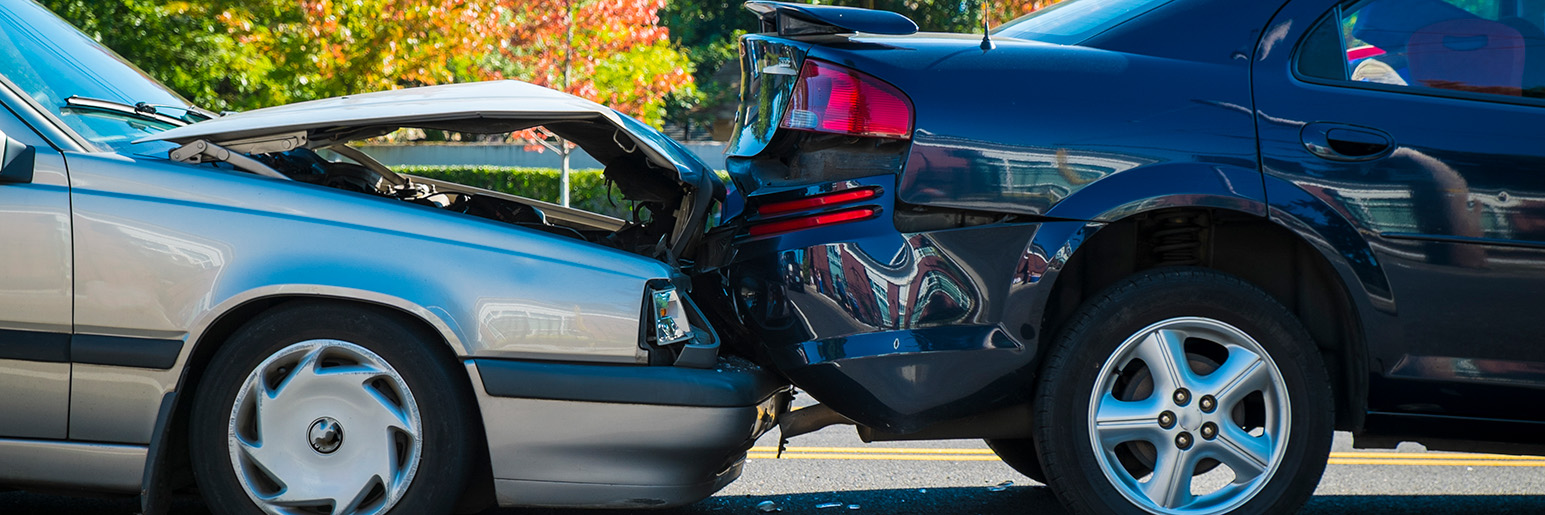
Quick answer: If your car is totaled in a covered loss in Indiana, your insurance typically pays the vehicle's actual cash value (ACV), or what it was worth immediately before the damage, minus your deductible. Indiana uses a 70% total loss threshold: this means that if repair costs exceed 70% of the ACV, the vehicle is declared a total loss. If you owe more on your loan than the car is worth, gap insurance may help cover the difference.
One moment you're driving. The next, you're standing on the shoulder of the road looking at a car that may not be drivable again. Whether it was a collision, a hailstorm, or a deer strike on a back road outside Muncie, the question is the same: what happens now?
Here's how the total loss process typically works in Indiana, from the moment you file the claim to when the check is in your hand, and what to do if the numbers don't add up.
A car is "totaled," formally called a total loss, when the cost to repair it exceeds what the car is worth. At that point, the insurance company may pay you the vehicle's value instead of paying to fix it.
In Indiana, the law sets a specific threshold for this decision:
In Indiana, a vehicle is considered a total loss when the cost of repairs exceeds 70% of the car's actual cash value (ACV).
Your car's actual cash value (ACV) before the accident: | $15,000 |
70% threshold: | $10,500 |
Estimated repair cost: | $11,000 |
In this example of a covered loss, your insurer would pay you the $15,000 ACV minus your deductible (e.g., $500) = $14,500 payout.
Here's the typical process for a total loss claim in Indiana:
Step | What Happens* |
|
1. File your claim | Report the accident to your insurer. At Indiana Farm Bureau Insurance: file on our mobile app, file online, call 800-723-3276, or contact your local agent. |
|
2. Vehicle inspection | A claims adjuster or approved partner inspects your vehicle and estimates repair costs. |
|
3. Total loss determination | If repairs exceed 70% of ACV, the adjuster may declare a total loss. You receive a notice. |
|
4. Valuation | Your insurer determines the ACV using comparable vehicles (National Automobile Dealers Association guide, vehicle valuation software, or local market research). |
|
5. Settlement offer | You receive a settlement offer which equals ACV minus deductible. |
|
6. Accept or negotiate | You can accept the offer or dispute it with evidence (see negotiation section below). |
|
7. Transfer & payment | You sign over the title and give the car keys to the carrier. If you have a loan, the carrier sends the payment to the lender. If you own the car, the carrier will send the payment to you. . . You start shopping for a replacement vehicle. |
|
*Process varies based on claim complexity and whether fault is disputed. Your adjuster can give you more information if needed.
How the Car Was Totaled | Coverage That may Apply |
Accident (your fault or shared fault) | Collision coverage |
Accident (other driver's fault) | Other driver's Liability coverage — or your Collision if you file with your own insurer |
Hail, flood, fire, falling tree, vandalism, theft | Other Than Collision (Comprehensive) coverage |
Hit a deer | Other Than Collision (Comprehensive) coverage (Related: Does insurance cover hitting a deer?) |
Uninsured driver hit you | Uninsured Motorist Property Damage Coverage (Related: If someone hit my car, whose insurance do I call?) |
If you only carry liability insurance (Indiana's 25/50/25 minimum), your policy typically won’t cover your own vehicle in a total loss. Liability generally only covers damage you cause to others. You'd need Collision or Other Than Collision (Comprehensive) coverage to potentially receive a payout for your totaled car.
This can be a stressful situation after a total loss. Let’s say your car is worth $15,000, but you still owe $20,000 on the loan. Insurance may pay $15,000, but you may still have a $5,000 balance on a car you can no longer drive.
This is called negative equity or being "upside down" on your loan. It can be common early in vehicle ownership, especially if you made a small down payment or financed for a long term (60-84 months) or if you rolled over a previous loan into the new one.
Gap insurance is designed to help with coverage for this scenario. It can help cover the difference between what your insurance pays (ACV) and what you still owe on the loan, minus your deductible. At Indiana Farm Bureau Insurance, you can add the Auto Loan/Lease Coverage Endorsement, which is our version of gap coverage, to your auto policy at the time of vehicle purchase. (Related: What is gap insurance and do I need it?)
If you don't have gap insurance and you're upside down, you'll typically need to pay the remaining balance out of pocket or ask your lender about rolling it into a new car loan.
Insurance companies generally use data from third-party sources (NADA guides, vehicle valuation software) and comparable vehicle sales to determine your car's ACV. Sometimes that number may not reflect what you believe your car was truly worth. Here's what you can do:
Request the total loss valuation report. Ask your adjuster for the detailed report showing how they calculated the ACV. Review the comparable vehicles they used, making sure they match your car's year, mileage, condition and features.
Do your own research. Check Kelley Blue Book (KBB), NADA and local dealership listings for vehicles comparable to yours. Remember, the dealers are generally listing vehicles for sale at the retail price, not the ACV. Print or screenshot the results.
Document upgrades and maintenance. Recent repairs (new tires, brakes, battery), aftermarket additions (stereo, towing package), and consistent maintenance records may increase your car's value. Provide receipts.
Submit a written counteroffer. Send your evidence and a clear dollar amount you believe is fair. Be specific and factual, emotion doesn't change numbers.
Request an independent appraisal. Many auto policies include an appraisal provision. You and the insurer each hire an appraiser, and if they disagree, a third-party umpire decides. You'll pay for your own appraiser.
Contact the Indiana Department of Insurance. If you've exhausted negotiation and believe you're being treated unfairly, you can file a complaint with the state insurance department.
In some cases, yes. If you want to repair the vehicle yourself, you may be able to buy it back from the insurer for the salvage value. The salvage value is deducted from your settlement, so you'll receive a smaller payout.
There are important considerations:
The car will receive a salvage title from the Indiana Bureau of Motor Vehicles (BMV), which stays on the vehicle's record permanently.
Before driving it, you'll need to have it repaired and inspected to receive a rebuilt title.
Some insurers may not offer Collision or Comprehensive coverage on a rebuilt/salvage title vehicle.
A salvage title generally reduces the vehicle's resale value.
Talk to your adjuster before making this decision. They can walk you through what keeping the car might look like financially.
In Indiana, a car is typically considered totaled when the cost of repairs exceeds 70% of the vehicle's actual cash value (ACV).
Insurers generally determine ACV by using third-party data sources like NADA guides and vehicle valuation software, combined with comparable vehicle sales in your local area. They typically factor in your car's year, make, model, mileage, condition and features. You may request the valuation report from your adjuster to see how the number was calculated.
Yes. Your deductible typically applies to total loss claims just like any other claim. If your ACV is $15,000 and your deductible is $500, your payout for a covered loss would be $14,500. If the other driver was at fault and their insurance pays, you typically don't pay a deductible.
Your insurer pays the ACV to your lender first. If the ACV covers the remaining balance, the loan is paid off, and any remainder goes to you. If you owe more than the ACV (negative equity), you're responsible for the difference, unless you have gap insurance, which may help cover that gap. (Related: What is gap insurance?)
A typical total loss claim may take a few weeks from filing to payment, though complex claims (disputed fault, financed vehicles, hard-to-value cars) may take longer. Industry data shows some claims take up to a month or more. However, it’s possible outside factors like waiting on paperwork from your lender could also delay the process. Your adjuster may be able to give you a timeline specific to your situation.
In some cases, yes, but the salvage value will be deducted from your settlement. The car will receive a salvage title from the Indiana BMV, and you'll need to have it repaired and inspected before it can be driven legally. Some insurers may not offer Collision and Comprehensive coverage on rebuilt-title vehicles.
You have the right to negotiate. Request the valuation report, research comparable vehicles on KBB and NADA, document any upgrades or recent maintenance, and submit a written counteroffer. If you can't reach agreement, most policies allow for an independent appraisal process. You can also file a complaint with the Indiana Department of Insurance.
If you have Collision coverage (for accidents) and/or Other Than Collision/Comprehensive coverage (for non-accident events like hail, theft, or animal strikes), you will be better positioned to have a loss covered by insurance depending on policy terms, conditions and exclusions. Indiana's minimum 25/50/25 liability insurance does not cover damage to your own vehicle. (Related: Auto insurance coverage in Indiana)
Contact Us

*Securities & services offered through registered representatives of FBL Marketing Services, LLC, 225 South East Street, Indianapolis, IN 46202, 317-692-7628, Member SIPC. FBL Marketing Services, LLC, is not affiliated with Indiana Farm Bureau, Inc. or United Farm Family Life Insurance Company.
© 2026 Indiana Farm Bureau Insurance. All Rights Reserved. Farm Bureau, FB, and
the national Farm Bureau logo are trademarks of the American Farm Bureau Federation.


