bf1e605e32056b8a9f2eff03000bf66e.tmb-hero-image.jpg?Culture=en&sfvrsn=721b0bba_1 "Bearded man enjoying an outdoor barbecue with a drink in hand, standing next to a grill on a sunny day, creating a relaxed backyard gathering vibe")
MEET THE AGENCY
Inside Story
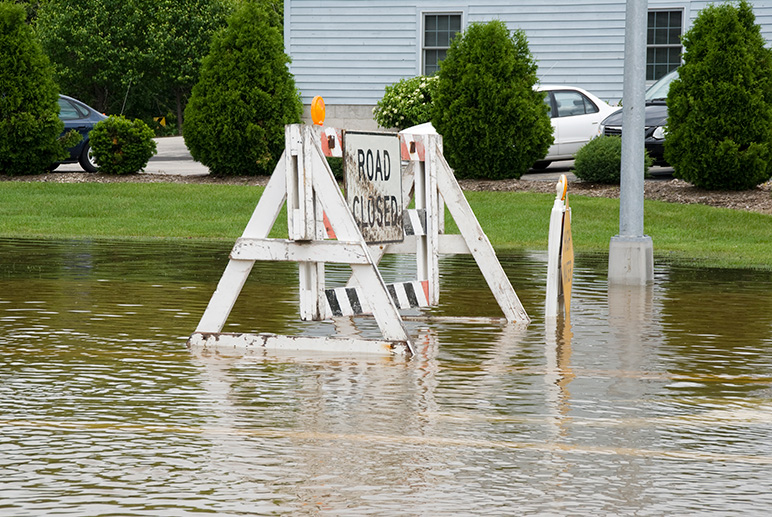
Prioritize safety: Never walk or drive through floodwater and avoid downed power lines.
As floodwaters rise, so do concerns about protecting your home and your property. Indiana has experienced severe flooding events in the past and will likely experience more in the future. If your home or business is impacted by floodwaters, it’s important to act quickly to minimize long-term damage.
This guide includes tips from the American Red Cross of Indiana, the Federal Emergency Management Agency (FEMA) and the Centers for Disease Control and Prevention (CDC) that will help you respond to flood damage.
If you have yet to experience flood damage but live in an area where floods are possible, it is important to note that most homeowners insurance policies do not cover flood damage. Flood insurance must be purchased from the National Flood Insurance Program managed by FEMA.
If you’re an Indiana Farm Bureau Insurance customer and have experienced storm damage, we recommend you file a claim. Your claims representative will walk you through the process, determine coverage, and provide resources if the damage resulted from an uncovered flood event.
In addition to water damage, floods often present hazards like strong currents, debris and electrical dangers. The American Red Cross provides flood safety tips to consider before and after your area experiences flooding. Never walk, swim or drive through floodwater, as doing so increases your risk of drowning. Avoid power lines, poles and wires. The combination of water and electricity can lead to electrocution.
According to the CDC, floodwaters can be dangerous and expose you to infectious diseases, contaminants and may lead to injuries. The CDC advises washing with soap and water if you’re exposed to floodwaters, seeking medical attention if exposed wounds come in contact with floodwaters, and other tactics to reduce your risk of exposure.
If your area has been evacuated, wait for officials to provide guidance on when it is safe to return.
If you have a plan with the National Flood Insurance Program, they provide clear communication on how to file a flood damage claim. Local authorities may be overwhelmed if the volume of their requests is high but reach out to them first in an emergency. The American Red Cross of Indiana can also provide resources if you’ve been impacted by severe weather and need assistance, the Indiana Region phone number is 888-684-1441.
If the damage is widespread in your area, utility companies may shut off gas, water and other utilities if deemed necessary. FEMA provides extensive guidelines on how to protect utility systems from flood damage. If the utility companies haven’t shut off service to your area, and you know where your shut-off locations are , consider turning off your gas, electricity and water if it is safe to do so. These precautions can help reduce the risk of fires or electrocution. Do not go near appliances if you’re in contact with wet surfaces or standing water.
If you have flood insurance through the National Flood Insurance Program, their website provides valuable information on the correct procedures to document the damage. FEMA recommends taking photos and video of all damage, recording serial numbers on personal property, keeping receipts for any costs related to the flood damage and documenting other relevant details.
Once you receive confirmation that it is safe to return home, cleaning up the flood damage will be an important next step. The American Red Cross shares information on how to safely clean and repair your home after a disaster. Their webpage includes tips on what type of personal protective equipment to wear, recommended cleaning products and includes a section dedicated to tips on cleaning water damage.
If damage to your area is widespread and severe, continuously check the American Red Cross and FEMA websites. Indiana Farm Bureau Insurance is proud of its partnership with the American Red Cross. You can download the free American Red Cross Emergency App for weather alerts, open safety locations and safety steps. They will post frequent updates as new information is available, point you to valuable resources and share information on financial assistance if applicable.
Contact Us

*Securities & services offered through registered representatives of FBL Marketing Services, LLC, 225 South East Street, Indianapolis, IN 46202, 317-692-7628, Member SIPC. FBL Marketing Services, LLC, is not affiliated with Indiana Farm Bureau, Inc. or United Farm Family Life Insurance Company.
© 2026 Indiana Farm Bureau Insurance. All Rights Reserved. Farm Bureau, FB, and
the national Farm Bureau logo are trademarks of the American Farm Bureau Federation.


